Fat Transfer: Why It’s Planned, Not Added On
Facial ageing isn't only descent, and that changes how a surgical plan is built
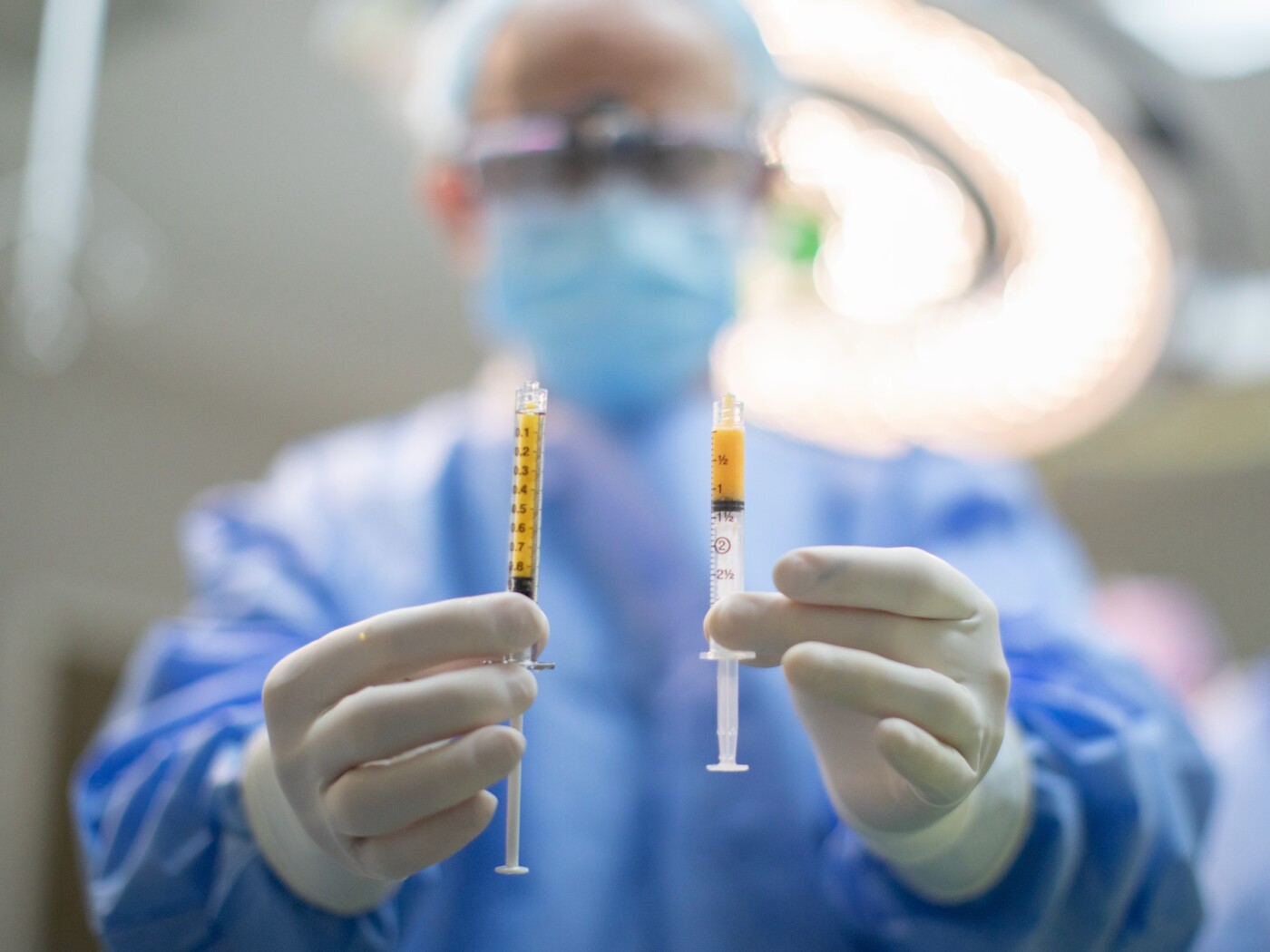
Fat transfer is often understood as something added at the end of a procedure. In facial surgery it's a structural decision made during planning, because volume loss and tissue descent are two separate components of facial ageing.
Two things happening at once
A face doesn’t only descend as it ages. It also loses volume. Fat pads that once sat full and high diminish and shift, and the structures beneath them change too.
These two processes are related but they aren’t the same, and they don’t have the same answer. Repositioning tissue addresses where things sit. It does not replace what has gone.
What fat transfer involves
Fat is taken from the inner thigh. It’s then passed several times through a 4,000 micron medical sieve that unifies the texture, bringing it to a consistent parcel size.
That consistency is the point. Fat placed in uniform parcels behaves more consistently than fat placed as it comes, and consistency is most of what surgical planning is trying to build in.
Because the material is the patient’s own tissue, it behaves differently from anything introduced from outside the body, including in how it settles and how much of it persists over time.
Not all transferred fat survives. That’s expected, accounted for in planning, and part of why the conversation about fat transfer is a realistic one rather than a promise.
Why it’s planned with the surgery, not after it
Where volume sits changes how a lift reads. Tissue repositioned into a face that has lost volume doesn’t look the same as tissue repositioned into a face that hasn’t.
If volume is going to be addressed, it needs to be part of the plan from the beginning, because the two decisions affect one another. Deciding to add volume after the rest of the plan is settled means making that decision without the information that should have shaped it.
Who it suits
It depends on the individual face: the pattern of volume loss, the quality of the overlying tissue, what else is being done, and the patient’s own goals. For some patients it’s central to the plan. For others it isn’t part of the plan at all.
That’s an assessment, not a preference. It’s also why it isn’t something to request by name before anyone has looked at your face.
What it isn’t
Fat transfer doesn’t reposition tissue and it doesn’t lift. It addresses volume. A patient whose concern is descent won’t find the answer here, and a plan built on the wrong component of ageing will disappoint whichever way it’s executed.
As with any surgical procedure, fat transfer carries risks, and these are discussed in full at consultation.
Dr Peter Callan, Specialist Plastic Surgeon. MED0001116292
Schedule your consultation
To discuss whether fat transfer forms part of the right plan for you, book a consultation with Dr Peter Callan.
Frequently Asked Questions
Where is the fat taken from?
From the inner thigh. It’s then processed through a medical sieve to bring it to a consistent parcel size before it’s placed.
Does transferred fat last?
Not all of it persists, and the proportion varies between patients. This is expected and planned for rather than treated as a surprise.
Can fat transfer replace a facelift?
No. It addresses volume, not the position of tissue. They’re answers to different problems.
Is fat transfer always part of a facelift?
No. Whether it’s appropriate depends entirely on the individual assessment.