The Questions Everyone Googles About Facelift, Rhinoplasty and Blepharoplasty — Answered
A Specialist Plastic Surgeon in Geelong answers what patients search for most — clearly, and without the jargon.
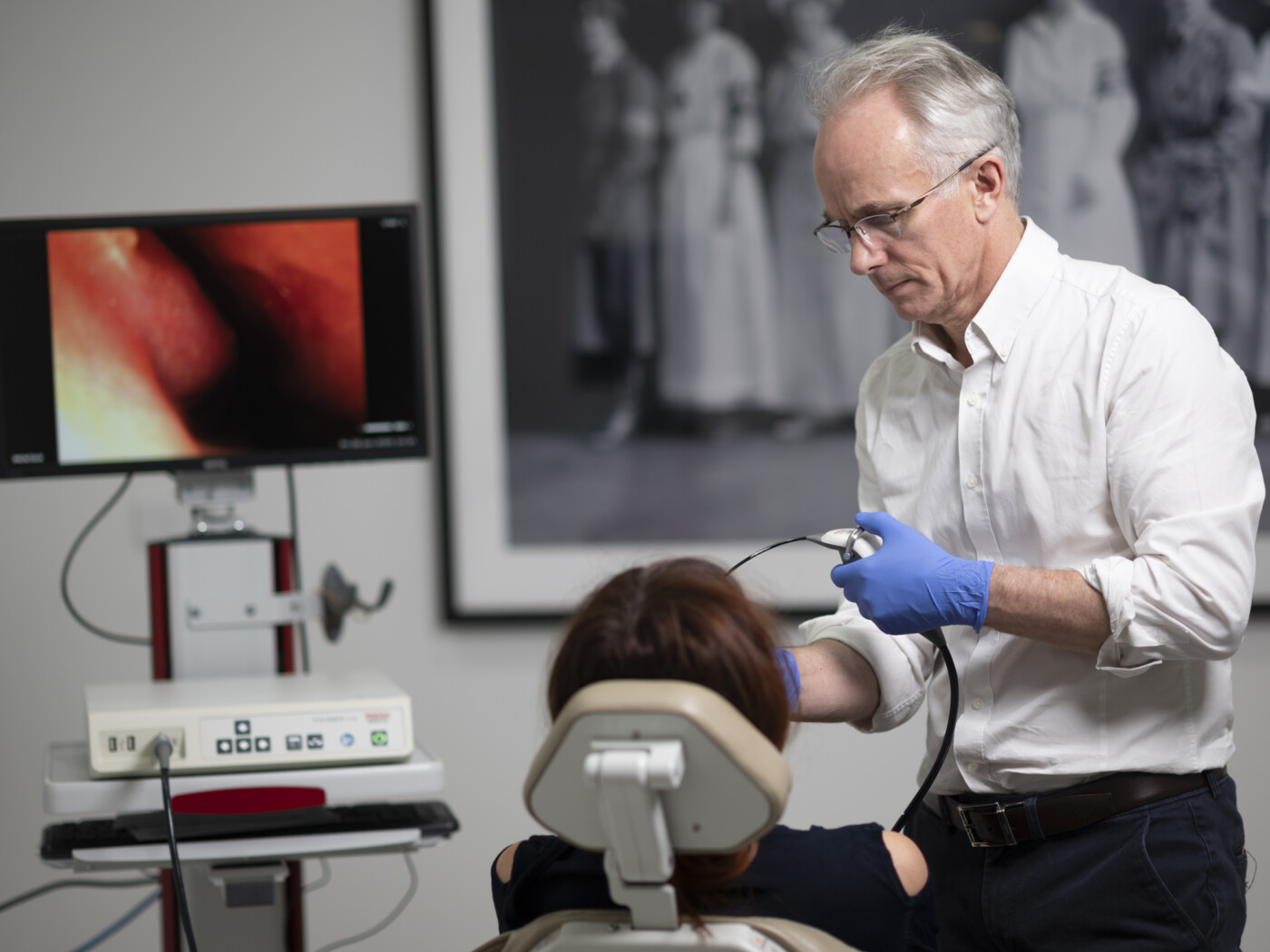
For many patients, the research begins well before the consultation. Questions about how long results may last, when surgery might be appropriate, whether you will still look like yourself, and what is included in a surgical quote are often part of that early process. Here, we sit down with Dr Callan to explore some of the questions that commonly arise when considering facelift, rhinoplasty and blepharoplasty, with a focus on what patients should understand before making a decision. The information is general in nature and is not a substitute for individual medical advice.
Facelift
How long does a facelift last?
A facelift repositions facial tissue that has descended over time, but it does not stop the ageing process. The face continues to age from its new starting point.
How long the changes remain apparent varies from person to person. Factors such as skin quality and elasticity, genetics, sun exposure, smoking history and significant weight changes can all play a role.
This is why two people of the same age can have very different results. Rather than thinking of a facelift as stopping time, it is more accurate to think of it as resetting the position of the facial tissues, after which the natural ageing process continues.
What age is the right age for a facelift?
There is no single ‘right’ age for a facelift. I assess each patient based on their anatomy, rather than their age. This includes how much the facial tissues have descended, the quality of the skin, the underlying facial structure and, importantly, what they would actually like to change.
I see patients across a wide age range, and increasingly, younger patients are asking about facelift surgery. In a younger face, there is often less laxity to work with, so the planning needs to be particularly precise. The aim is always to make changes that are appropriate for the individual, rather than simply operating because a patient has reached a particular age.
Sometimes, my advice is to wait. In other cases, surgery may not be appropriate at all. A consultation should help determine whether a facelift is the right option for you — not assume that surgery is the next step.
Will I still look like me?
That is one of the most important considerations when planning a facelift. My aim is to reposition your own facial tissues in a way that respects your natural features, rather than simply pulling the skin tight.
The face does not age sideways. Over time, the skin and deeper soft tissues tend to descend, largely under the influence of gravity and the ageing process. I plan facelift surgery around the direction those tissues have moved, using a multivector approach to reposition them.
Every face ages differently, so there is no single technique that is right for everyone. The surgical plan needs to be tailored to your anatomy, the changes that have occurred and what you would like to address.
It is completely reasonable to be concerned about looking different after surgery. This is something I encourage patients to discuss openly during consultation. Understanding what you want to preserve is an important part of planning the procedure.
Rhinoplasty
Can rhinoplasty change my breathing?
Yes — rhinoplasty can affect breathing, which is why I assess the function of the nose as well as its appearance.
The nose is an airway as well as a facial feature. Internal structures, including the septum and nasal valves, play an important role in how air moves through the nose. Where there is a functional issue, surgery can sometimes address this alongside changes to the external shape.
The reverse is also important. If the airway is not properly considered during rhinoplasty, surgery can potentially make breathing more difficult. This is why I assess form and function together when planning surgery.
A nose that looks balanced but does not function well is not the outcome I am aiming for. If there is a genuine breathing problem, I will discuss the assessment, treatment options and any relevant funding pathways with you during consultation.
Why is the nose never assessed in isolation?
Because the nose is part of the overall balance of the face. The same nose can look quite different depending on the shape and proportions of the features around it. For example, chin projection, facial width, brow position and forehead height can all influence how the nose is perceived.
When I assess a patient for rhinoplasty, I look at the nose in the context of the whole face rather than as a standalone feature. This helps me understand how any changes to the nose may affect overall facial proportion.
It is possible to make a technically precise change to the nose and still have it look out of balance with the rest of the face. That is why the consultation involves looking beyond the nose itself and considering how all of the features work together.
Blepharoplasty (eyelid surgery)
Upper and lower eyelid surgery — what is the difference?
Upper eyelid surgery is predominantly a skin operation, addressing excess or lax skin in the upper lid. Lower eyelid surgery is predominantly a fat and contour operation, addressing the fat pads that create under-eye bags. They are different problems with different anatomy, and they are assessed separately.
The most common misunderstanding about upper eyelids is that heaviness always comes from the eyelid. Often it comes from above it. When the brow descends, it pushes forehead tissue down into the eyelid space, and the hooding you see in the mirror is imported from the brow rather than generated by the lid. Removing eyelid skin in that situation does not solve the problem and can make later options harder.
Distinguishing between the two is a straightforward part of the examination, and it changes the operation entirely. It is covered in more detail in our blepharoplasty guide.
Will people see the scars?
Scars from eyelid surgery are placed where the anatomy conceals them. The upper eyelid incision sits within the natural lid crease, which folds and hides it when the eye is open. Lower eyelid surgery is approached either just beneath the lash line or from inside the lid, which leaves no external scar at all.
Placement is planned rather than incidental. Where an incision can be positioned along an existing crease, shadow or hairline, that is where it goes.
All surgery leaves a scar, but how visible that scar becomes varies from person to person. This is something I discuss with every patient before surgery, including where the scars will be placed and how they may heal over time.
Cost — what a surgical quote actually covers
A surgical quote is not a single fee. It generally covers the surgeon’s fee, the anaesthetist’s fee, the hospital or day-surgery facility fee, and scheduled follow-up review. Fees are individual because the operation is individual, which is why figures are discussed with you directly rather than published as a price list.
Questions worth asking any surgeon, including this practice:
• What is included in the quoted figure, and what sits outside it?
• Who provides the anaesthetic, and where will the surgery be performed?
• What follow-up is included?
• If revision surgery were ever needed, how is that handled and costed?
• Is any part of this eligible for a Medicare or private health rebate, and on what basis?
A quote should be given in writing, and you should not feel rushed to accept it. Under the Medical Board’s guidelines, there is a required cooling-off period of at least seven days after you have had two consultations and given written informed consent, before surgery can be booked or any deposit taken. Cosmetic surgery also cannot be advertised in Australia with time-limited discounts or package deals.
Every procedure carries risk
Facelift, rhinoplasty and blepharoplasty are surgical operations, not treatments. Each carries risks including bleeding, infection, scarring, asymmetry, an outcome that does not meet expectations, and the possibility of further surgery. Individual procedures carry their own specific risks — impaired breathing after rhinoplasty, dry eye or eyelid position change after blepharoplasty, and nerve-related changes after facelift surgery among them.
These risks are discussed in detail during your consultation, alongside your medical history and individual circumstances, as the risks of surgery can vary from patient to patient. Surgery is never completely risk-free, and understanding the potential risks is an important part of making an informed decision.
How the process works at this practice
A referral is required before a cosmetic surgery consultation — this is a national requirement, not a practice preference. From there, the first step is a phone call with our reception team, followed by a phone consultation with one of our nurses, who will talk through whether the procedure you are considering is likely to be appropriate and what the fees involve.
From there, you will have two consultations with Dr Callan before any surgery is scheduled. The second exists so that you have time between conversations to think, ask again, and change your mind.
Schedule your consultation
Frequently Asked Questions
Do I need a GP referral to see Dr Callan?
Yes. Since July 2023, patients seeking cosmetic surgery in Australia must have a referral — preferably from your usual GP, or if that is not possible, from another GP or a non-cosmetic specialist. The referring doctor must work independently of the surgeon and must not themselves perform cosmetic surgery or non-surgical cosmetic procedures. Your usual GP is preferred, because they know your history.
Can I have more than one procedure at the same time?
Sometimes. Whether procedures can reasonably be combined depends on the operations involved, the total surgical time, your general health and the anaesthetic considerations. It is assessed case by case rather than offered as a package.
Do deep plane facelifts last longer than other facelifts?
There is no evidence that one technique lasts longer than another, despite the marketing hype. How a result holds over time depends on the individual and the quality of the surgery, not on the name of the technique.
What facelift terms should I be cautious about?
Be wary of terms such as minilift, s-lift, thread lift and liquid lift. Some techniques marketed under names like these do not give significant results. If in doubt, ask a Specialist Plastic Surgeon to explain exactly what a procedure involves and what it can realistically achieve.